
Key Drivers of Change by 2027
- ✓Consumer Awareness: Sustainability & ethical sourcing.
- ✓Technological Advancements: Brewing innovations.
- ✓Health Consciousness: Focus on wellness.
- ✓Global Climate Concerns: Impact on production.
As we navigate the vibrant world of coffee culture, it's essential to understand how evolving trends are reshaping our experiences. What if your morning cup of joe could also make a positive impact on the planet? Dive into these key insights that not only enhance your appreciation for coffee but also connect you to its larger narrative.
The evolving coffee culture is driven by several factors, from sustainability to consumer awareness. Here's a look at the key drivers and practices. For a deeper understanding of its origins and trends, explore coffee culture origins to trends.
Rising temperatures and unpredictable weather patterns pose a significant threat to coffee crops globally. This impacts the availability and quality of coffee.
Supporting sustainable practices is crucial to ensure future generations can enjoy coffee.
As a passionate coffee enthusiast, I’ve seen the coffee culture in Australia grow and evolve like never before. Today, coffee is not just a beverage; it’s a lifestyle and a community that connects people through shared experiences. The way we consume coffee reflects our values, especially around sustainability and quality. So, what does coffee culture mean in our modern world?
At its core, coffee culture today is about more than just drinking coffee—it's about the experiences that come with it. Whether it's the aroma of freshly roasted beans or the ambiance of a bustling café, there’s an emotional connection that draws us in. We have transitioned from traditional coffee shops to specialty cafés, where every cup tells a story of passion and dedication to craft.
In today's landscape, coffee culture signifies a blend of artistry, community, and sustainability. As I explore various cafés across Australia, I notice that each establishment offers a unique take on this culture, showcasing local ingredients and brewing techniques. It's a celebration of localism and the artistry behind every cup, inviting everyone to find their favorite spot. You can discover more about these unique establishments by checking out local cafés in Australia.
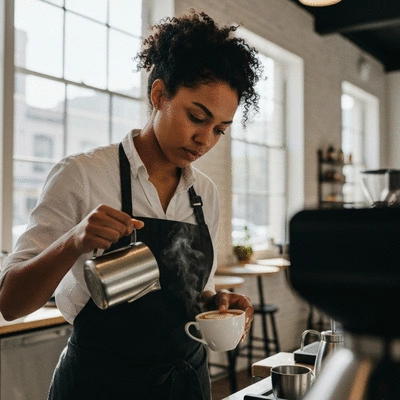
This evolving culture emphasizes quality over quantity, inviting coffee lovers to appreciate the intricate flavors and stories behind each brew. I often find myself captivated by the passion that baristas pour into their craft, transforming simple coffee into a delightful experience.
Sustainability has become a driving force in coffee consumption today. More consumers are seeking to make eco-friendly choices, aligning their purchases with brands that prioritize responsible sourcing and environmental stewardship. This trend is not only beneficial for the planet but also enriches our coffee-drinking experiences.
As I witness this shift, it’s inspiring to see how cafés are embracing sustainability. Whether it’s through sourcing fair trade beans or utilizing biodegradable packaging, the commitment to a greener future is palpable in every cup of coffee we enjoy.
With a rise in consumer interest in sustainable practices, fair trade and organic farming initiatives are at the forefront of the coffee industry. These practices not only support coffee farmers but also enhance the overall quality of the coffee we sip. By choosing fair trade products, we contribute to fair wages and better working conditions for farmers.
As I explore various cafés, the emphasis on quality and sustainability is evident in their meticulously curated coffee selections. It's uplifting to see how our choices can foster positive change and directly impact the lives of farmers around the world.
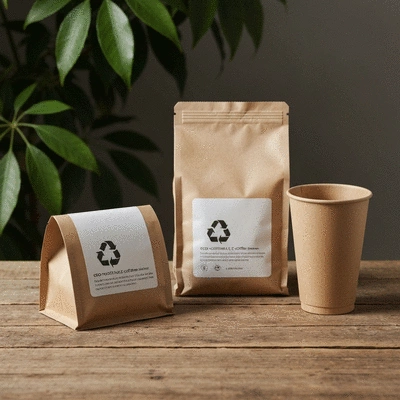
Another exciting trend is the implementation of eco-friendly packaging solutions. As environmental awareness grows, cafés are shifting towards sustainable materials that reduce waste and carbon footprints. This trend is gaining momentum, impacting everything from coffee bags to cups.
As I visit different cafés, I can’t help but appreciate their efforts to minimize environmental impact. It inspires me to be more conscious about the packaging of my favorite brews!
Reducing the coffee carbon footprint is crucial as we navigate the evolving coffee landscape. Many cafés are adopting innovative strategies to minimize their impact, from sourcing locally to utilizing energy-efficient equipment. These practices not only enhance sustainability but also promote a sense of community.
Every step taken towards sustainability is a step toward preserving our planet. I find myself motivated to support cafés that prioritize these practices and make a difference.
Direct trade coffee has become a popular choice among consumers who prioritize quality and sustainability. By establishing direct relationships with farmers, cafés can ensure fair prices and better working conditions, while also gaining access to exceptional beans. This method not only enriches the quality of the coffee but also fosters a sense of community and accountability. For more insights into how direct trade impacts the industry, consider exploring different specialty coffee cafés across Australia.
As I enjoy my cup of coffee, I sometimes reflect on the connections formed between producers and consumers. It’s a beautiful chain that ultimately enhances our coffee experience!
Agroforestry is an innovative approach that combines agriculture and forestry practices to create sustainable coffee production systems. By integrating coffee cultivation with tree planting, cafés can enhance biodiversity while improving soil health and reducing the need for chemical fertilizers.
This technique not only promotes sustainability but also initiates a conversation about the importance of preserving our environment. It's inspiring to see how we can positively impact the world through our coffee choices.
Looking to enhance your coffee experience? Consider visiting local cafés that prioritize sustainable practices. Not only will you enjoy exceptional brews, but you'll also support environmentally friendly initiatives and fair trade practices that benefit coffee farmers and the planet.
As we sip our favorite brews, it's fascinating to think about where coffee culture is headed. In this rapidly evolving landscape, several key trends are shaping the future of how we experience and appreciate coffee. By 2027, we can expect significant transformations that will redefine our connection with this beloved beverage.
Understanding these trends not only informs us as consumers but also helps cafés and coffee shops adapt to the changing demands of our community. So, let’s dive into the predictions on the horizon for coffee culture!
Several factors will influence the coffee market in the coming years. Here are the key drivers of change that will likely shape our coffee experiences:
These elements will not only impact the availability of coffee but also the way we choose to enjoy it. As a coffee lover, it's exciting to consider how these trends might enhance our café visits and home brewing experiences!
When we think about coffee culture, it’s crucial to recognize how it varies across different regions. For example, in Australia, we’re seeing a rise in specialty coffee shops that prioritize quality and unique flavor profiles. Meanwhile, in Europe, traditional coffee experiences, like the Italian espresso bars, continue to thrive.
These regional differences enrich the global coffee tapestry. In my travels across Australia, I’ve noticed how local cafés reflect unique cultural nuances, offering everything from artisanal pastries to innovative coffee blends. Exploring these diverse experiences helps us appreciate coffee beyond just a drink—it’s a cultural journey!
Climate change is a pressing issue that affects coffee production worldwide. Rising temperatures and unpredictable weather patterns threaten coffee crops, especially in regions historically known for their quality beans. We must be aware of how these environmental challenges can impact the availability of our favorite brews.
By supporting sustainable practices and seeking out cafés that prioritize eco-friendly sourcing, we can contribute to a healthier future for coffee. It’s not just about enjoying a great cup; it’s about ensuring that future generations can do the same!
Today’s coffee drinkers are increasingly looking for a connection to their beverages. They want to know the story behind their cup, and sustainability plays a huge role in that narrative. So, what do coffee drinkers really want?
As we engage with our coffee community, let's support those who share these values. Cafés that highlight their sustainability efforts not only attract conscientious consumers but also foster a sense of community among coffee lovers!
There are several inspiring examples of sustainability in action within the coffee industry. Notable brands are setting the bar high by implementing eco-friendly practices, and their stories deserve recognition. Here are a few:
These businesses show that sustainability and quality can go hand in hand. Their dedication inspires us all to seek out responsible coffee options and to appreciate the stories behind our favorite brews!
As coffee drinkers, being knowledgeable about coffee certifications can guide us in making informed choices. Certifications like Fair Trade, Rainforest Alliance, and Organic signify a commitment to sustainable practices and ethical sourcing. These labels can help us find brands that align with our values. For a complete guide to understanding different coffee types and their origins, check out coffee beans types, origins, and flavors.
When you see these certifications on a coffee bag at your local café, it’s a sign that the brand is taking steps to ensure a positive impact on the environment and the coffee-growing communities. Keeping an eye out for these certifications can elevate our coffee experience while supporting sustainable practices!
Here is a quick recap of the important points discussed in the article:
Elena Carrington is a passionate coffee enthusiast and café culture aficionado, dedicated to discovering Australia's finest coffee experiences. With a background in hospitality and a deep appreciation for artisanal coffee, Elena expertly guides you to your next favorite café. She's not just an author; she's your trusted guide to the vibrant world of Australian cafés.
At Cafe Guide, we're dedicated to exploring and celebrating Australia's vibrant café culture. We provide curated recommendations for specialty coffee houses, brunch spots, and hidden gems, alongside insights into coffee roasting and brewing.
Australia-wide Discoveries