15th Century: Spread to Arabian Peninsula
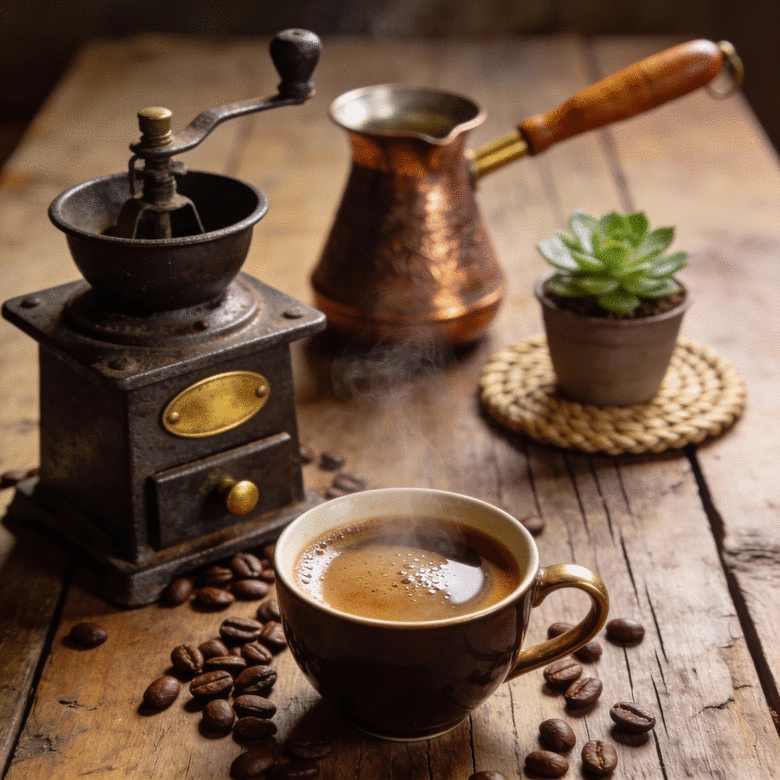
Coffee becomes a staple in Middle Eastern culture, influencing traditions and social gatherings.
As coffee continues to evolve, it's thrilling to consider how our experiences with this beloved beverage are changing. Are you ready to embark on a deeper exploration of coffee culture?
This timeline highlights the significant spread of coffee culture from its origins to its global presence.
Coffee becomes a staple in Middle Eastern culture, influencing traditions and social gatherings.
Coffee houses emerge as centers for social, intellectual, and political life.
Coffee arrives in Europe via trade routes and later reaches the Americas, beginning its global expansion.
Anticipated shifts in coffee consumption and preferences by 2025, driven by innovation and consumer demand.
Consumers are actively seeking eco-friendly and ethically sourced coffee options.
Customized drinks and unique flavors tailored to individual preferences are on the rise.
Smart coffee machines and apps are enhancing brewing methods both at home and in cafés.
Functional ingredients are being infused into coffee products to boost health benefits.
Welcome to the fascinating journey of coffee culture, where we explore its rich history and the various traditions that have shaped how we enjoy this beloved beverage today! As a passionate coffee enthusiast, I believe understanding coffee’s past not only enhances our appreciation for a good cup but also connects us to the artistry of coffee itself. Let’s dive into the origins of coffee and how it has spread around the world.
Legend has it that coffee was discovered in Ethiopia by a goat herder named Kaldi. According to this charming tale, Kaldi noticed that his goats became unusually energetic after eating the berries from a certain bush. Intrigued, he tried them himself and found that they gave him a delightful boost! This story, while perhaps more myth than fact, highlights the significance of coffee in human culture.
The Kaldi legend symbolizes the discovery of coffee as a source of energy and inspiration. It is often celebrated in Ethiopian ceremonies, where coffee is prepared and served in a ritualistic manner. This tradition not only reflects the communal aspect of coffee drinking but also emphasizes the importance of connection in our everyday lives.
After its beginnings in Ethiopia, coffee made its way across the Arabian Peninsula, becoming a staple in Middle Eastern culture by the 15th century. From there, it spread to Europe through trade routes and was introduced to the Americas in the 17th century. Today, coffee is enjoyed in countless forms around the globe! Here are some key milestones in coffee's journey:
As coffee grew in popularity, distinct coffee hubs emerged around the world, each contributing unique practices and flavors. These hubs reflect the various cultures that embraced coffee and integrated it into their societies. I often find it delightful to explore how these different traditions influence our local café scene here in Australia!
In the Middle East, coffee is often prepared using a method called Arabic coffee, which involves boiling finely ground coffee beans with water and cardamom. This brew is traditionally served in small cups, allowing for social interactions to flourish among family and friends. The act of serving coffee is a cherished ritual that emphasizes hospitality and connection.
The 17th century saw the rise of coffee houses in Europe, becoming popular meeting spots for intellectuals and artists. These establishments played a pivotal role in fostering discussions and exchanging ideas, essentially becoming the birthplace of social revolution. Many modern coffee shops continue this tradition by providing a space for community engagement and creativity.
Fast forward to the United States, where coffee culture took on a unique twist. The introduction of espresso machines and the rise of specialty coffee shops in the late 20th century transformed how Americans viewed coffee. With a focus on quality and unique flavors, this revolution continues to inspire coffee enthusiasts like myself to discover local gems and support artisanal roasters.
As we reflect on the rich history of coffee culture, it’s evident that this beloved beverage has woven itself into the fabric of societies worldwide. By understanding its origins, we can deepen our appreciation for the craft and community that surrounds each cup we enjoy.
As we've explored the rich history and diverse traditions of coffee culture, I'm curious to know what your favorite way to enjoy coffee is. Please take a moment to share your preference below!
As we sip our lattes and savor the rich flavors of our favorite brews, it's exciting to think about what lies ahead in the world of coffee culture! With each passing year, new trends emerge, and our experiences evolve. At Cafe Guide, we are always on the lookout for the latest developments that will reshape how we enjoy coffee, and I can’t wait to share my insights with you!
The coffee landscape is constantly transforming, driven by both innovation and consumer preferences. Some key trends I see shaping coffee culture as we approach 2025 include:
Each of these trends reflects a broader shift towards a more conscientious and personalized coffee experience. I love how coffee is not just a drink anymore; it’s a way to connect with our values and preferences!
Global events have a significant impact on how we consume coffee. For instance, during the pandemic, many turned to coffee as a comforting ritual while staying home. Now, as we emerge, some of these patterns are evolving:
As we navigate these changes, I encourage you to embrace the evolving coffee landscape! Every cup tells a story, and being part of this journey is what makes coffee culture so incredibly vibrant.
Now that we’ve explored the future of coffee culture, it’s essential to talk about how you, as a consumer, can actively engage with this dynamic scene! Your choices and interactions can shape the coffee industry while enhancing your own experiences.
Visiting local coffee shops is one of the most rewarding ways to connect with coffee culture. Not only does it support small businesses, but it also fosters community. Here are a few reasons why I believe exploring local cafés is important:
Next time you’re out and about, take a moment to explore your neighborhood coffee shops. You never know what hidden gems await!
The craft coffee movement is about more than just enjoying a great cup of coffee; it’s about being part of a community that values quality and artistry. Here are some ways you can participate:
Getting involved in the craft coffee movement is not only fun, but it also helps foster a deeper appreciation for what goes into every cup!
Baristas and coffee roasters are the heart and soul of the coffee experience. Their expertise and passion play a crucial role in shaping how we enjoy coffee. Here are some aspects of their contributions:
By recognizing their efforts, we can better appreciate the craftsmanship behind our favorite drinks. Let's celebrate these coffee artists who elevate our coffee culture!
As we wrap up our exploration of coffee culture, I hope you feel inspired to dive deeper into your coffee journey. Whether you’re visiting local cafés, trying new brewing techniques, or engaging with coffee communities, there’s always something new to discover!
To help you along the way, here are some resources that I find valuable:
Exploring these resources can deepen your understanding and appreciation of coffee!
Lastly, I invite you to share your own coffee experiences! What unique places have you discovered? What brewing methods do you love? Join the conversation in the comments or on social media. Your insights contribute to our community, and I can’t wait to hear about your coffee adventures!
Coffee is believed to have originated in Ethiopia, with the popular legend of a goat herder named Kaldi discovering its stimulating effects.
After its origins in Ethiopia, coffee spread to the Arabian Peninsula by the 15th century, then to Europe via trade routes, and eventually to the Americas by the 17th century.
Key trends for 2025 include increased demand for sustainability, personalization in coffee experiences, integration of technology like smart machines, and a focus on health-conscious choices with functional ingredients.
Global events, such as the pandemic, have led to a home brewing boom, transformation in café culture (e.g., more takeout options), and a shift towards supporting local roasters and shops.
Supporting local coffee shops fosters community connections, provides unique offerings and experiences, and allows consumers to engage with knowledgeable baristas who can enhance their coffee journey.
Here is a quick recap of the important points discussed in the article:
Elena Carrington is a passionate coffee enthusiast and café culture aficionado, dedicated to discovering Australia's finest coffee experiences. With a background in hospitality and a deep appreciation for artisanal coffee, Elena expertly guides you to your next favorite café. She's not just an author; she's your trusted guide to the vibrant world of Australian cafés.
At Cafe Guide, we're dedicated to exploring and celebrating Australia's vibrant café culture. We provide curated recommendations for specialty coffee houses, brunch spots, and hidden gems, alongside insights into coffee roasting and brewing.
Australia-wide Discoveries